In the projects I’ve been working on, AI has made it faster to put a first version in front of me. The work that mattered was deciding what the version had to get right and how I’d know it was better. A website rebuild, a festival-pack prototype and a weekly video pilot each brought that decision into focus.
Make your evidence easier to find
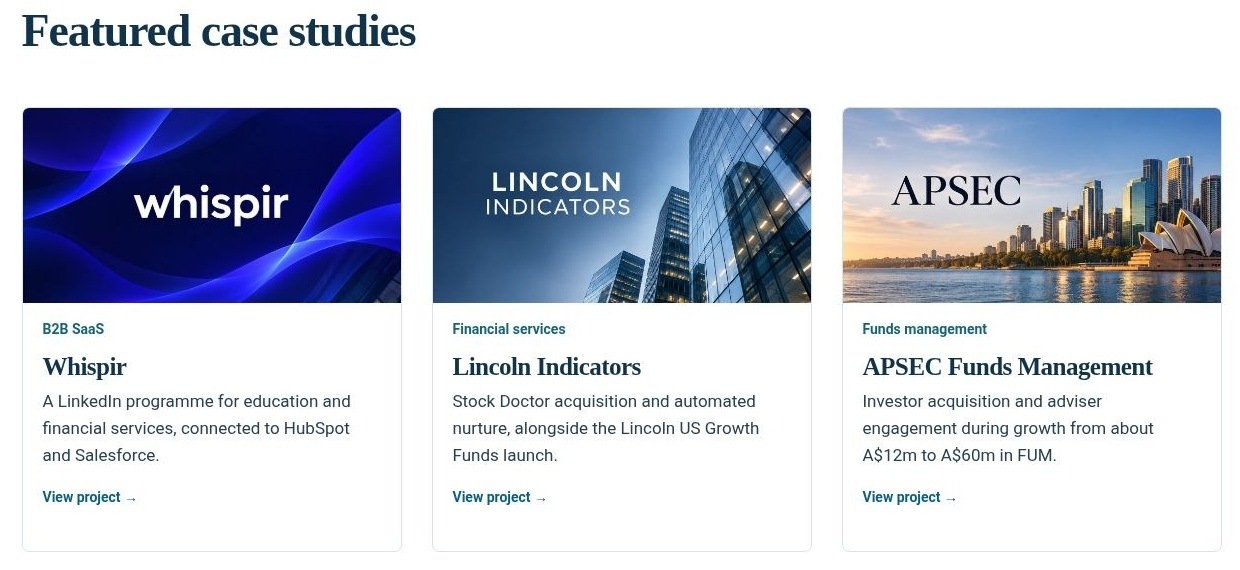
On the Adonis eCommerce rebuild, I used AI to help work through page layouts, draft copy and develop visuals. The most important inputs were the original project materials. Those shaped what I could say about each engagement and what belonged on the page. The featured cards give readers a short summary and a route into the details. The results in those case studies come from my earlier marketing work.
Prototype an offer before you commit to it
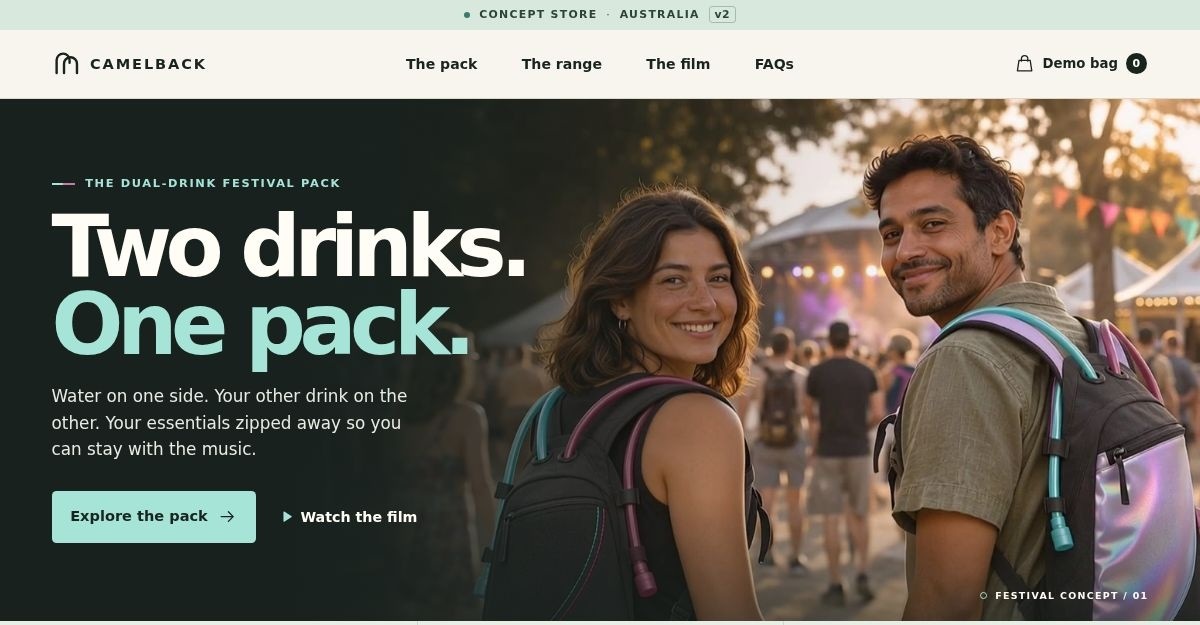
With Camelback, I used AI-assisted copy and imagery to turn a dual-drink festival pack idea into a storefront prototype. It let me see how the product story, pack range and film could work together. Next I’d ask festival-goers to explain the benefit in their own words before testing for demand.
Decide where a person steps in
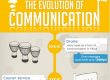
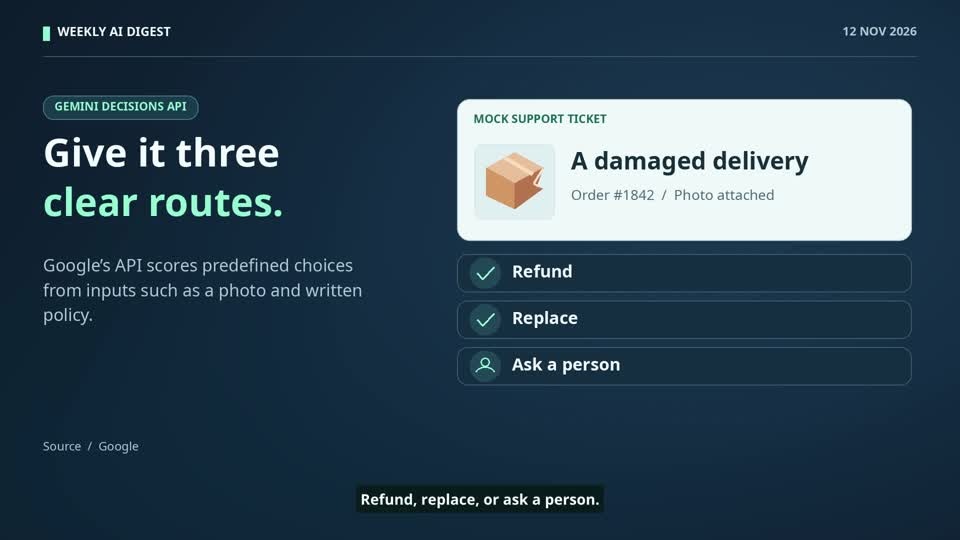
For the Weekly AI Review pilot, I turned an AI-news roundup into a short narrated video with an AI presenter, explanatory graphics and a mock customer-service workflow. In the example, a damaged-parcel request could lead to a refund, a replacement or a referral to a person. The same question came up while making the video. AI could help organise the material and produce a rough cut. I still needed to decide which claims to verify, which examples made sense and what was ready to share.
Run one pilot and measure what changes
Take a job you do regularly and record what it costs you today in time, rework or missed follow-up. Then run a small batch through an AI-assisted version using the same quality bar. Track how much editing the drafts need and where the model gets things wrong. Agree up front on who can approve an output and what should be escalated to a person.
A small business might start with common enquiries and track time to reply and how many enquiries reach a booking. A larger team could try assisted follow-up for one campaign, using CRM records the team is authorised to access. I’d compare response time, the share of drafts that need substantial edits and the number of qualified conversations that follow.
If the team saves time and customers get a better response, there’s a case for extending the pilot. If people spend the time they saved correcting drafts, I’d look at the inputs and review steps before expanding it.